The role of the Katwan and Talas Kurultai in the military-political confrontation between Kaidu and Borak in the second half of the 60s of the 13th century
Research Article
DOI:
https://doi.org/10.65076/Keywords:
Talas kurultai, Mongol Empire, uluses, Kublai, Mengu Timur, Kaidu, Borak, Rashid al-Din, WassafAbstract
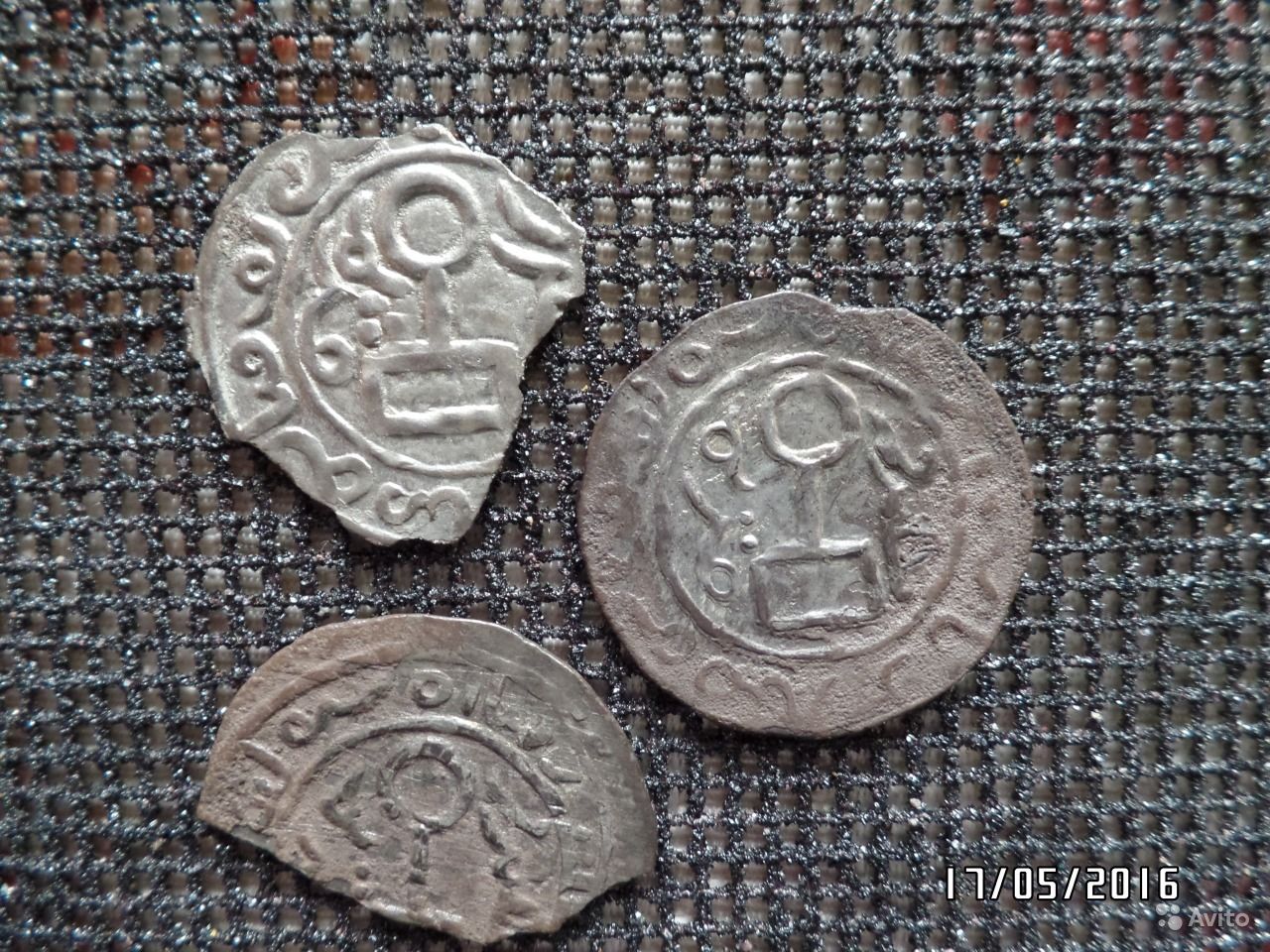
The author's work examines the circumstances and consequences of the Talas Kurultai of 1269, a key event traditionally interpreted in historiography as the legal boundary of the collapse of the Mongol Empire into independent uluses. Based on a comprehensive analysis of narrative sources (Rashid al-Din, Wassaf, "Yuan Shi"), as well as numismatic data, the dynamics of political processes in the second half of the 1260s in Central Asia is reconstructed. The relevance is due to the controversial nature and chronology of the Kurultai: a number of researchers (following A. de Hausson) allows two meetings to be held ‒ in 1267 (Katwan) and 1269 (Talas), while the dominant tradition recognizes only the Talas Kurultai. Contradictions are generated by discrepancies between sources: Rashid al-Din emphasizes the alliance of Kaidu and Borak, their joint struggle against Kublai and Mengu Timur, as well as the complex diplomatic game around the invasion of the Ilkhanate; Wassaf describes the reconciliation of Kaidu and Borak in Katwan (1267) and fixes other accents in the chronology and the composition of the participants. The purpose of the author's research is to identify the logic of interaction between the Genghisid uluses (Jochi, Chagatai, Ogedei, Ilkhanate) and the role of Kaan Kublai in the processes of decentralization of the empire. Methods and sources. A comparative analysis of Persian (Rashid al-Din, Wassaf) and Chinese ("Yuan shi") sources, as well as data from Jochid numismatics, is applied. Special attention is paid to: the chronology of Borak's military clashes with Kaidu and Mengu Timur; the content of the decisions of the Kurultai (Transoxiana section, ban on staying in cities, plans to invade the Ilkhanate); diplomatic missions (Terel's embassy to Meng Timur, Kublai's messengers to Abaga); the symbolism of Meng Timur's coins (the hieroglyph "ji" as a status marker in the imperial hierarchy). The author concludes: In 1267, the Katvan Kurultai took place, consolidating the defeat of Borak and the dominance of Kaidu in Transoxiana; his decisions included the division of territories unfavorable for Chagataid. The Talas Kurultai of 1269 established a new balance of power: Borak received two—thirds of Transoxiana, and Kaidu and Mengu Timur - one-third; a joint invasion of the Ilkhanate was agreed. However, neither Kaidu nor Mengu Timur intended to fulfill their obligations.: Kipchak and Chapat left Borak's army before the battle with Abaga, and Mengu Timur probably had to simulate an invasion of the Ilkhanate in order to disorient the enemy. Kublai played a key mediation role: through embassies (Terel, messenger Tekechek), he helped coordinate the actions of Mengu Timur and Abaga, which led to the defeat of Borak in 1270. After the defeat of Borak, Kublai officially approved the status of Mengu Timur and Abaga, giving them labels (autumn 1270). This is confirmed by both written sources ("Biography of Terel", Rashid al-Din) and numismatics (coins with the hieroglyph "ji", indicating the subordinate but high status of the Jochid Khan). Thus, the Talas Kurultai was not a one-time act of declaring the independence of the uluses, but became a stage in a long-term political intrigue in which: Kaidu and Mengu Timur used Borak to weaken the Ilkhanate; Kublai maintained formal suzerainty, legitimizing the regional khans through labels.; The real decisions of the kurultai turned out to be fiction: neither side was going to comply with the agreements, which predetermined the collapse of Borak. Thus, the collapse of the empire was gradual, combining the formal recognition of the power of the khan with the actual autonomy of the uluses. Numismatic and diplomatic data make it possible to clarify the status of Mengu Timur as a "wang" (subordinate ruler), rather than an independent khan, which corrects the traditional interpretation of events.
Downloads
References
Amitai-Preiss R. Mongols and Mamluks: the Mamluk-Īlkhānid War, 1260ө1281. Cambridge: Cambridge University Press. 1995. 272 p.
Biran M. Qaidu and the Rise of the Independent Mongol State in Central Asia. Richmond: Curzon. 1997. 197 p.
D’Ohsson, Constantine M. Histoire des Mongols depuis Tchinguis Khan jusqu’a Timour Bey. The Hague. 1834-35. Vol. III.
Geschichte Wassaf’s. ʻAbd Allāh ibn Faz̤l Allāh Vaṣṣāf al-Ḥaz̤rat J. Hammer-Purgstall. Wien. Hof- und Staatsdruckerei. 1856.
Thackston T. Rashiduddin Fazlullah’s Jami‘u’t-tawarikh, Compendium of Chronicles. A History of the Mongols. Thackston, Wheeler M. (tr.). Cambridge, Massachusetts: Harvard University, Department of Near Eastern Languages and Civilizations. 1998–1999. xliv + 819 p.
Бартольд В. Очерк истории Семиречья. Фрунзе: Киргизгосиздат. 1943. 104 с.
Бартольд В. Сочинения. Т. II. часть 2. Работы по отдельным проблемам истории Средней Азии. Москва. 1964. 657 с.
Бретшнейдер Э. Азия и Европа в эпоху средневековья: сравнительные исследования источников по географии и истории Центральной и Западной Азии XIII–XVII веков [послесл. И. Кучумова]. Центр исследований Золотой Орды и татарских ханств им. М.А. Усманова Ин-та истории АН Респ. Татарстан; Региональное отд-ние Рус. геогр. о-ва в Респ. Башкортостан. СПб.: Свое издательство. 2018. 280 с.
Бугарчев А., Степанов О. О булгарских монетах Менгу-Тимура с титулом «ан-Насир ли-дин Аллах» (1266–1272). Археология Евразийских степей. 2022. No.6, с.8–13.
Караев О. Чагатайский улус. Государство Хайду. Могулистан. Образование кырrызского народа. Бишкек: Кыргызстан 1995.160 с.
Петров П. Тамги на монетах монгольских государств XIII - XIV вв. как знаки собственности. Труды международных нумизматических конференций "Монеты и денежное обращение в монгольских государствах XIII - XV веков". 2003. C.170-177.
Почекаев Р. Цари Ордынские. Биографии ханов и правителей Золотой Орды. СПб.: Евразия. 2010. 406 с.
Downloads
Published
Issue
Section
License
Copyright (c) 2025 A. Porsin

This work is licensed under a Creative Commons Attribution-NonCommercial-NoDerivatives 4.0 International License.