Tribalism as a Mode of Political Adaptation under Soviet Modernization in Kazakhstan
Research аrticle
DOI:
https://doi.org/10.65076/Keywords:
tribalism, Kazakh aul, clan relations, adaptive practices, patrilineal leadership, clan authoritiesAbstract
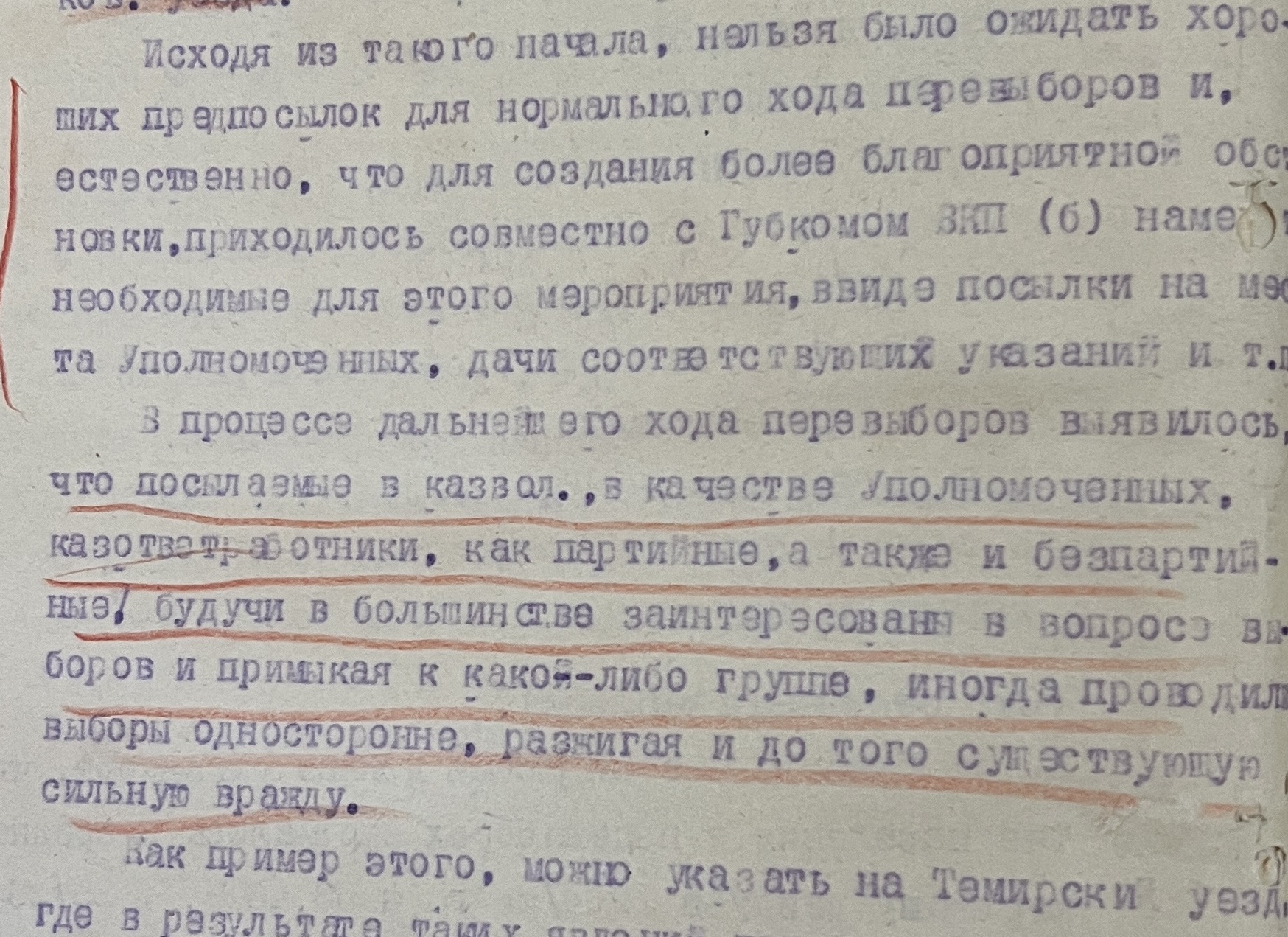
This article examines tribalism as a specific mode of political adaptation within Kazakh society during the period of Soviet modernization in the late 1920s and 1930s. Drawing on an extensive corpus of archival materials—many of which are introduced into scholarly circulation for the first time—the study analyzes the transformation of clan‑based structures, their responses to coercive Soviet policies, and the mechanisms through which traditional hierarchies sought to adjust to the emerging political order. The research demonstrates that the encounter between the Soviet project of socialist modernization and the traditional Kazakh zhuz and clan system generated profound social tensions, leading to the disintegration of established forms of self‑governance and to widespread resistance, both overt and covert. Particular attention is devoted to the 1928 confiscation campaign, which marked the first major blow against the tribal aristocracy, as well as to subsequent waves of repression that further undermined the authority of traditional elites. Archival evidence reveals that tribalism did not disappear under Soviet pressure; instead, it adapted, penetrating local administrative structures, collective farms, and cooperative organizations, thereby creating alternative channels of influence and partially reproducing pre‑existing social hierarchies. The article argues that Sovietization of the Kazakh aul involved not only the destruction of traditional institutions but also their reconfiguration within new political frameworks, making tribalism an important instrument of political adaptation. The study concludes that, despite the scale and intensity of Soviet modernization, clan‑based mechanisms of social organization persisted and continued to shape the political and social dynamics of Kazakh society throughout the 1930s.
Downloads
References
Cameron S. The Hungry Steppe Famine, Violence, and the Making of Soviet Kazakhstan. Cornell University Press. 2018.
Hellbeck J. Revolution on My Mind. Writing a Diary under Stalin. Сambridge МА: Harvard University Press, 2006. 448 p.
Kuromiya H. How Do We Know What the People Thought under Stalin? Soviet power - people's power? Essays on the history of popular perception of Soviet power in the USSR. Ed. T. Vihavainen. St. Petersburg. 2003
Payne M.J. Seeing like a Soviet State: Settlement of Nomadic Kazakhs, 1928–1934. In: Alexopoulos G., Hessler J., Tomoff K. (eds) Writing the Stalin Era. Palgrave Macmillan, New York. 2011. https://doi.org/10.1057/9780230116429_5
Pianciola N. ‘Famine in the steppe”, Cahiers du monde russe. 2004. Vol. 45/1-2. Online since 01 January, connection on 11 March 2022. URL: http://journals.openedition.org/monderusse/8681;DOI: https://doi.org/10.4000/monderusse.8681
Ohayon I. The Kazakh Famine: The Beginnings of Sedentarization. Mass Violence & Résistance 2013. [online], published on: 28 September. accessed 17/05/2021, http://bo-k2s.sciences-po.fr/mass-violence-war-massacre-
Из истории депортаций 1930-1935., 2012. Сборник документов. Алматы: Lem. 772 с.
История Казахстана. Т.4. Алматы: Атамура.
Киндлер Р. Сталинские кочевники: Власть и голод в Казахстане». Пер. с нем. Л. Пантиной. Москва: Политическая энциклопедия. 2017.
Масанов Н. Кочевая цивилизация казахов. Алматы: Социнвест - Москва: Горизонт. 1995.
Советская деревня глазами ВЧК‒ОГПУ‒НКВД. 1918‒1939., 2003. Документы и материалы. В 4‒х т. Т. 3. 1930‒1934 гг. Кн. 1. 1930‒1931 гг. / Ин‒т рос. истории РАН, Дом наук о человеке (Франция), Центр. архив ФСБ РФ, Ин‒т истории новейшего времени (Франция), Центр по изучению России (Франция), Рос. гос. архив экономики, Ин‒т по эконом. истории (Швеция), под ред. А. Береловича, В. Данилова. Москва:РОССПЭН. 864 с.
Юрчак A. Это было навсегда, пока не кончилось. Последнее советское поколение. Mосква: НЛО. 2017.
Фицпатрик С. Сорвите маски! Идентичность и самозванство в России в XX веке. Москва: РОССПЭН. 2011.
Downloads
Published
Issue
Section
License
Copyright (c) 2026 A. Zhanbossinova

This work is licensed under a Creative Commons Attribution-NonCommercial-NoDerivatives 4.0 International License.